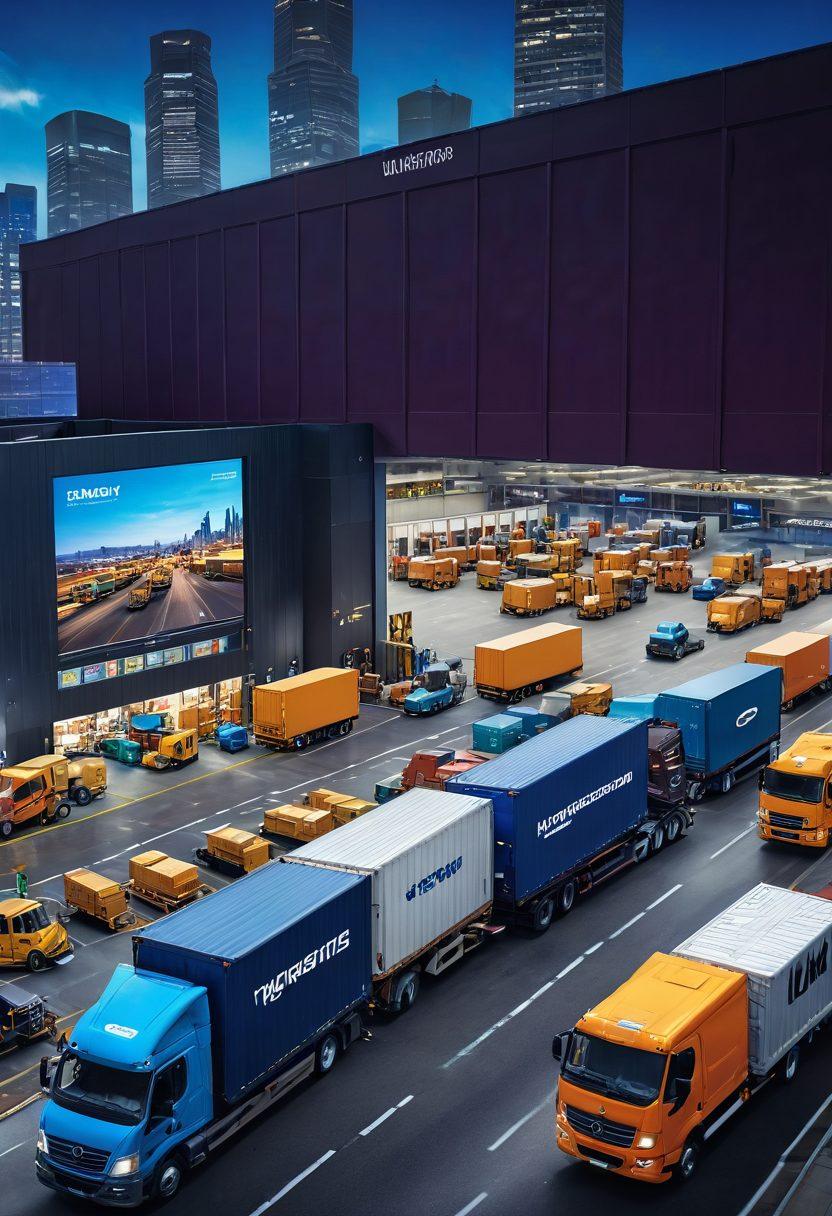
Revolutionizing the Trucking Industry: How Load Boards Enhance Freight Logistics and Delivery Services
In an era where the pace of change is relentless, the trucking industry stands at the forefront of a digital revolution. Have you ever wondered how companies manage to coordinate countless shipments seamlessly, despite the challenges posed by distance, timeliness, and cost? The answer lies in load boards, powerful tools that have become essential for modern freight logistics. With a blend of technology and innovation, load boards are transforming how transportation services operate, driving efficiency in ways that were unimaginable just a few years ago.
Load boards act as a freight marketplace, intelligently matching cargo transportation needs with available trucking logistics. Imagine being in a bustling market filled with vendors and buyers, but instead of tricky negotiations, everything is streamlined and data-driven. Businesses can now utilize load matching features which mean that the right freight finds the perfect vehicle ready for delivery. It’s like having a personal assistant who knows exactly what you need and when you need it, ensuring that your logistics operations run smoothly. This evolution in the trucking industry simplifies not just the shipment tracking process but enhances the entire logistics network, saving time and resources.
But what makes load boards particularly exciting? It’s the capability for real-time updates and load tracking that truly unlocks efficiency. Picture this: you’re waiting for crucial cargo services to arrive, and with one click, you can see every detail regarding your shipment’s whereabouts. This timely information fosters trust and communication between shippers and carriers. As one trucking expert put it, "Information is the new currency in freight logistics; those who know can navigate the complexities of the supply chain management better." How many logistics challenges could be avoided with the right information at your fingertips?
Furthermore, the role of load boards extends beyond mere matching and tracking of shipments. They also play a critical role in load optimization. For businesses striving to improve their bottom line, these tools offer invaluable insights into maximizing capacity and minimizing empty miles. It's an equation that leads to reduced costs and enhanced profitability for both shippers and carriers. In the sphere of delivery logistics, making informed decisions about which loads to take can mean the difference between success and failure. Are you leveraging these advanced shipping solutions to gain a competitive edge?
In conclusion, as the logistics landscape becomes increasingly complex, leveraging load boards is no longer an option—it's a necessity for those who want to thrive in the trucking industry. With demand for efficient shipping and delivery on the rise, the efficacy of load boards in enhancing transportation management and maintaining a competitive edge cannot be overstated. As we look towards the future of freight logistics, one thing remains clear: those who embrace these digital tools will lead the charge in revolutionizing how we think about and deliver cargo transportation. So, what are you waiting for? Explore the world of load boards today and unlock a whole new level of efficiency in your logistics operations.
Navigating the Future of Shipping: How Load Boards Transform Delivery Services
The trucking industry is at a pivotal crossroads, faced with the need to innovate in order to keep pace with modern demands. As consumers increasingly expect faster shipping and delivery services, businesses are scrambling to find effective transportation solutions. Enter load boards: these powerful platforms are revolutionizing freight logistics and transforming delivery services for companies both big and small. What if I told you that a digital marketplace could streamline your shipping operations, optimize your load matching, and enhance your overall supply chain management? Sounds intriguing, doesn’t it?
Load boards function as a freight exchange where shippers and carriers connect directly to facilitate transportation services. Imagine a bustling marketplace where different businesses are lining up to find the perfect match for their shipping needs. The ease of use is simply remarkable. Shippers list their available loads and, in turn, carriers search for matches that fit their equipment and routes. In many ways, load boards serve as the modern-day 'dating app' for the trucking industry, enabling swift connections and effective freight logistics that optimize delivery logistics.
But how do these load boards manage to pull all these moving pieces together? It’s all about technology. With enhanced features like load tracking and shipment tracking, carriers can monitor their freight in real-time, leading to heightened efficiency and security in cargo transportation. It’s like having a virtual assistant dedicated to ensuring that every package finds its way safely and on time. Plus, with insightful metrics and analytics, users can leverage the logistics network to make smarter decisions that impact their bottom line. Can traditional shipping solutions even compete with this level of advancement?
Relatable success stories abound in this new landscape. For example, a small trucking company might have previously struggled to fill its trucks, often driving long distances with unutilized cargo space. However, by utilizing a load board, they can connect with shippers seeking their specific route, drastically reducing empty miles and increasing profits. Furthermore, the ability to view load pricing, availability, and the vehicle capacity offers a clear path to load optimization and operational success. How many opportunities can you find with just a few clicks?
In a world where the need for faster and more efficient service is relentless, embracing load boards isn’t merely a recommendation—it’s a necessity. A company that refuses to adapt may find itself left behind while competitors leap ahead with innovative transportation management solutions. As shipping and delivery expectations continue to soar, savvy businesses understand that leveraging freight marketplaces is no longer an option but a key to thriving in the evolving trucking logistics landscape. Will your business take the plunge into this new wave of digital transformation, or will you continue to tread water in the old ways of shipping?
Enhancing Cargo Transportation: The Impact of Load Boards on Supply Chain Management
In the fast-paced world of transportation services, the heartbeat of successful delivery logistics lies in effective supply chain management. One tool that has dramatically impacted this landscape is the load board. These digital platforms serve as a freight marketplace, connecting shippers and carriers in a way that streamlines the once cumbersome process of cargo transportation. Have you ever wondered how a simple technology can significantly enhance freight logistics and optimize trucking logistics? Let’s dive into the transformative impact load boards can have on the trucking industry and how they provide innovative shipping solutions.
The traditional approach to cargo services often poses challenges such as inefficient load matching and increased costs. Enter load boards, which not only simplify load tracking but also offer real-time visibility into available freight. Imagine the power of instantly finding a match for your shipment and knowing where it is at any given moment! This level of transparency fosters trust between shipping and delivery partners and enhances the overall efficiency of transportation management. With load optimization at their fingertips, logistics professionals can respond to market demands more swiftly and maximize their profitability.
But why stop at just efficiency? Load boards also enable a more dynamic freight exchange that can adapt to the ever-changing needs of the trucking industry. Each interaction on these platforms can lead to improved relationships within the logistics network. For instance, shippers can quickly find the right carriers while carriers can conveniently access a pool of available loads. This not only bolsters the effectiveness of delivery services but also ensures that freight is moving where it’s needed most, fostering a healthier supply chain.
Picture this: A logistics manager is faced with the challenge of a last-minute shipment, one that could significantly impact their company's reputation if not executed flawlessly. Instead of struggling to make calls and send emails back and forth, they log onto a load board. In mere moments, they find a carrier ready and available, complete with robust shipment tracking capabilities. Isn't that a game-changer? This is the reality load boards create, empowering businesses to stay agile and maintain high-quality delivery logistics in an unpredictable world.
Furthermore, the data driven capabilities of load boards enhance supply chain solutions in ways previously unimaginable. Analytics generated from load matching and freight movement help businesses forecast demand and optimize routes, cutting down on transportation costs and time. Those using datloadboard can testify to the shift in mindset: from merely surviving the freight logistics game to truly thriving in it. The trucking industry has never been more equipped to handle the complexities of modern supply chains, all thanks to the integration of technology and innovative transportation solutions that load boards offer.